OUT ON THE HILL is the official blog of the Victory Congressional Interns. Views expressed do not necessarily reflect those of LGBTQ+ Victory Institute. Learn more about the internship at victoryinstitute.org/vci.
__________________________
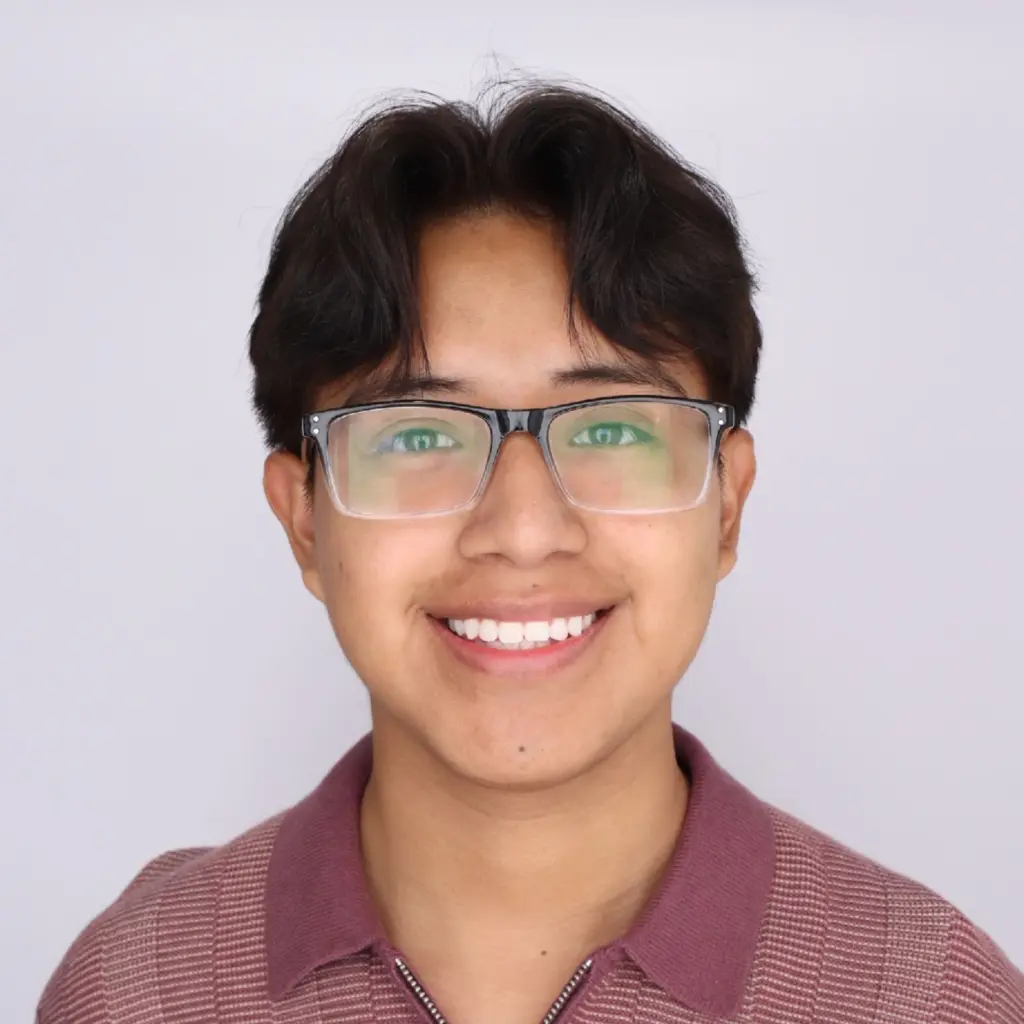
Ever since I was thirteen, I viewed my identity as a gay Ecuadorian-American as a burden, another reason I felt like I did not fully belong. Within my Hispanic community, I often felt disconnected from my culture, especially when I was labeled the “no sabo” kid and felt the need to prove my heritage. At the same time, accepting my sexual orientation brought its own challenges, as I feared how my traditional family would react. Navigating these external and internal struggles left me questioning whether there was a space where every part of who I was could be accepted.
That feeling of not belonging extended beyond my identity and shaped what I believed was possible for my future. Growing up in an immigrant family where many relatives pursued blue-collar work, I never imagined myself in public service. As the first person in my family to pursue this path, my Capitol Hill internship introduced me to a world I never imagined entering. I often questioned whether I was smart enough, qualified enough, or deserving enough to be here.
That perspective began to change throughout my time in Senator Schiff’s Office. Early in my internship, my policy pod mentor shared a lesson that stayed with me: “It doesn’t matter how you got here, but what you do with it.” Those words resonated with me because for so long I focused on proving that I belonged rather than on recognizing what I could contribute. Through researching immigration policies, analyzing legislation, and drafting recommendations, I saw how this work directly impacts vulnerable communities. Working in the policy pod pushed me beyond my doubts and helped me understand how my own experiences shaped my approach to public service.
My connection to these issues showed me that my background is not separate from my work; it shapes the questions I ask, the communities I consider, and the policies I hope to improve.
Beyond the policy work, VCI gave me the space to embrace the intersection of my identities. Being surrounded by mentors and peers with diverse backgrounds showed me the value of bringing different perspectives into public service. I realized that being a gay Ecuadorian-American was not something I needed to separate or overcome, but a perspective I could use to advocate for underrepresented communities.
As I leave my internship on Capitol Hill, I am leaving with more than policy experience. I now have a deeper understanding of myself, my identities, and the value of bringing my full story into public service. I no longer see my place in these spaces as something I need to prove, but as an opportunity to contribute. I will continue using my experiences as a gay Ecuadorian-American to advocate for communities and help create spaces where others can accept themselves and make a lasting impact.